Published on 29 September 2026 · 9 min read
Bean-to-cup or portafilter: which one fits you?
This is the most-asked and worst-answered question, usually because people insist on a winner. There is not one. A bean-to-cup and a portafilter machine solve different problems, and which of them solves yours depends on how many cups you make a day, how many minutes you want to spend, and whether you enjoy adjusting things yourself. Below is what happens, per situation, if you pick the wrong one.
What the difference actually is
A bean-to-cup grinds, doses, tamps, brews and discards the puck when you press one button. A portafilter machine only brews: you grind, you dose, you tamp, you lock it in and you clean up.
That is not a difference in quality but in who makes the decisions. A bean-to-cup makes about five of them for you per cup, always the same ones. A portafilter machine leaves them with you, Monday mornings included.
So the honest question is not which one brews better, but whether you want those decisions.
How much time per cup
A bean-to-cup: about half a minute, of which five seconds involve you. Filling the tank, emptying the tray and rinsing the brew unit weekly are the maintenance.
A portafilter machine: ten to fifteen minutes of warm-up before the first cup works, then a minute or two per cup, plus knocking out the basket and flushing the group. Count on five minutes for the first cup of the day if you are honest.
For one cup you carry out of the door, that difference decides it. For three cups on a Saturday it is barely an objection.
- One cup, in a hurry: bean-to-cup.
- Several cups, unhurried morning: either works.
- You enjoy the process: portafilter, every time.
What you taste, and when it shows
A well-dialled portafilter machine with a decent grinder goes higher than any bean-to-cup, because you can steer grind, dose and yield separately. But you do not reach that ceiling in week one, and with pre-ground coffee you never reach it at all.
A bean-to-cup makes a consistent, reasonable cup from day one, and it does not get worse because you are having a bad morning. The ceiling sits lower: the brew unit works with smaller doses and less pressure than a portafilter, and while you can adjust grind and water volume, you cannot adjust them independently.
Put briefly: a bean-to-cup guarantees the floor, a portafilter raises the ceiling. Which of the two you need, you know best.
Milk is where most people tip over
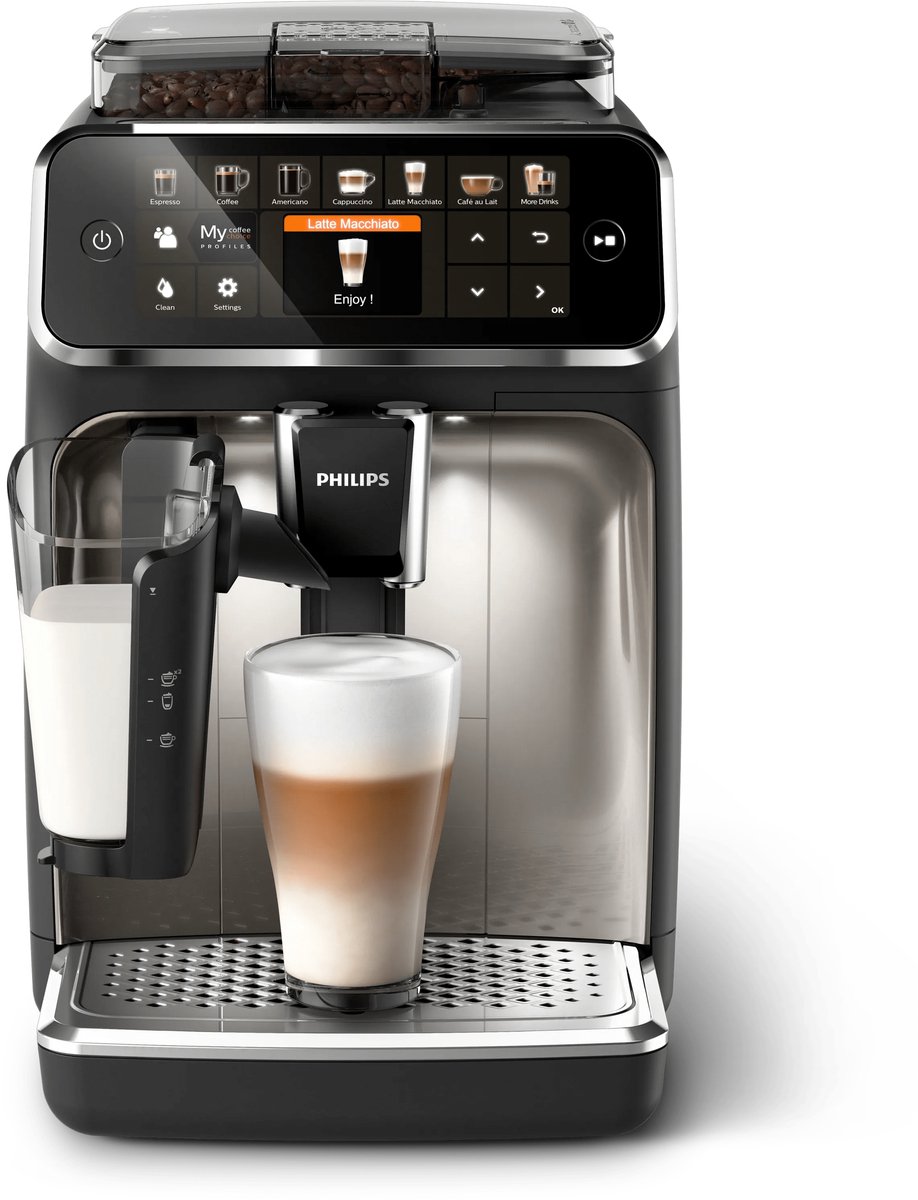
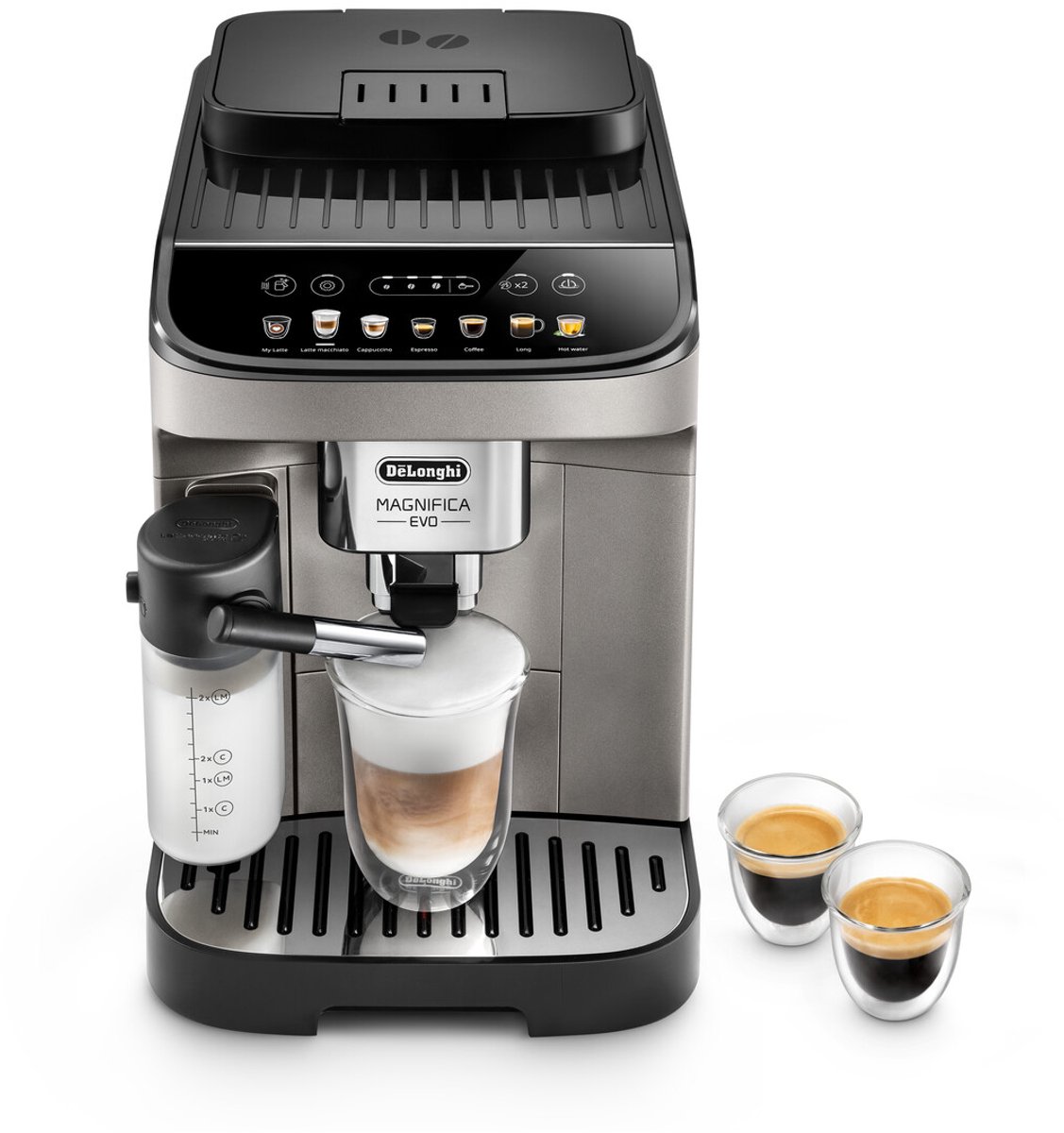
If you mainly drink cappuccino or latte macchiato, the balance shifts. A bean-to-cup with a milk system makes that cup complete, foam included, on one button — and for anyone who wants two cappuccinos every morning, that is the entire argument.
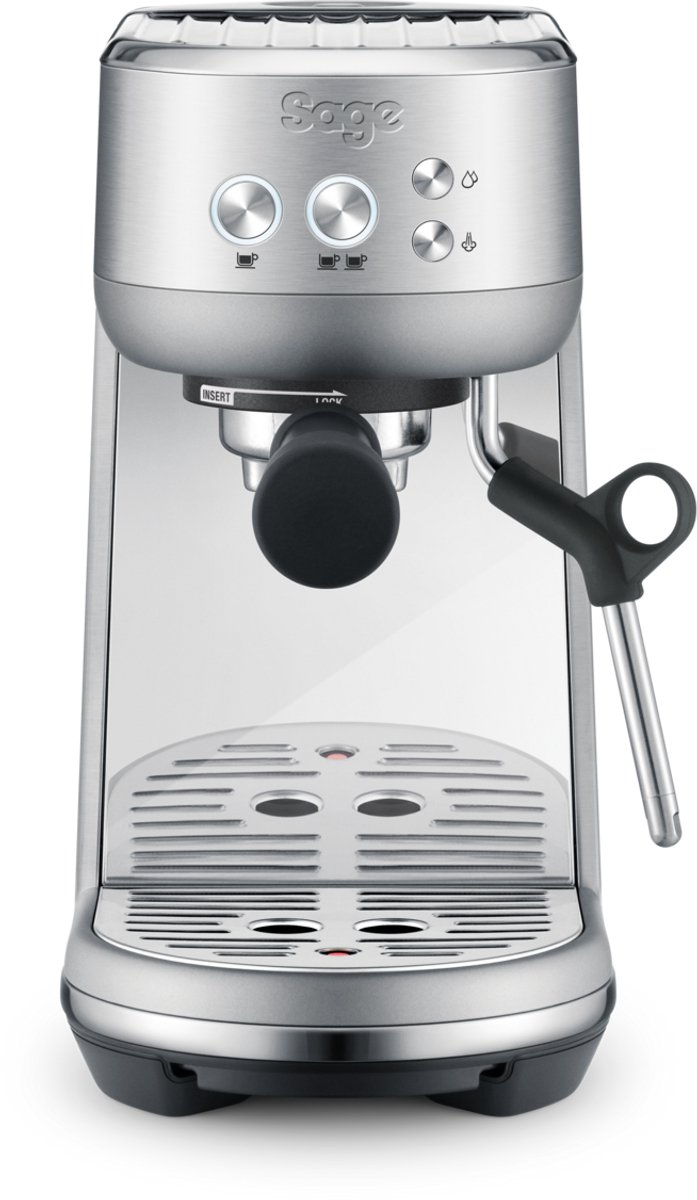
A portafilter machine with a steam wand gives better foam once you can do it, but that is a skill you practise, not one you buy. Count on a few weeks before it is consistently good.
If you mainly drink black espresso or lungo, none of this applies and you can skip it.
- Milk drinks daily, no wish to practise: bean-to-cup with a milk system.
- Milk drinks, happy to practise: portafilter with a steam wand.
- Black coffee: the difference does not matter.
What it costs over five years
With a bean-to-cup most of the money sits in the machine itself, and the upkeep is predictable: descaler, cleaning tablets and at some point a new brew unit or seal. A repair generally means a service point, because the housing is not meant to be opened.
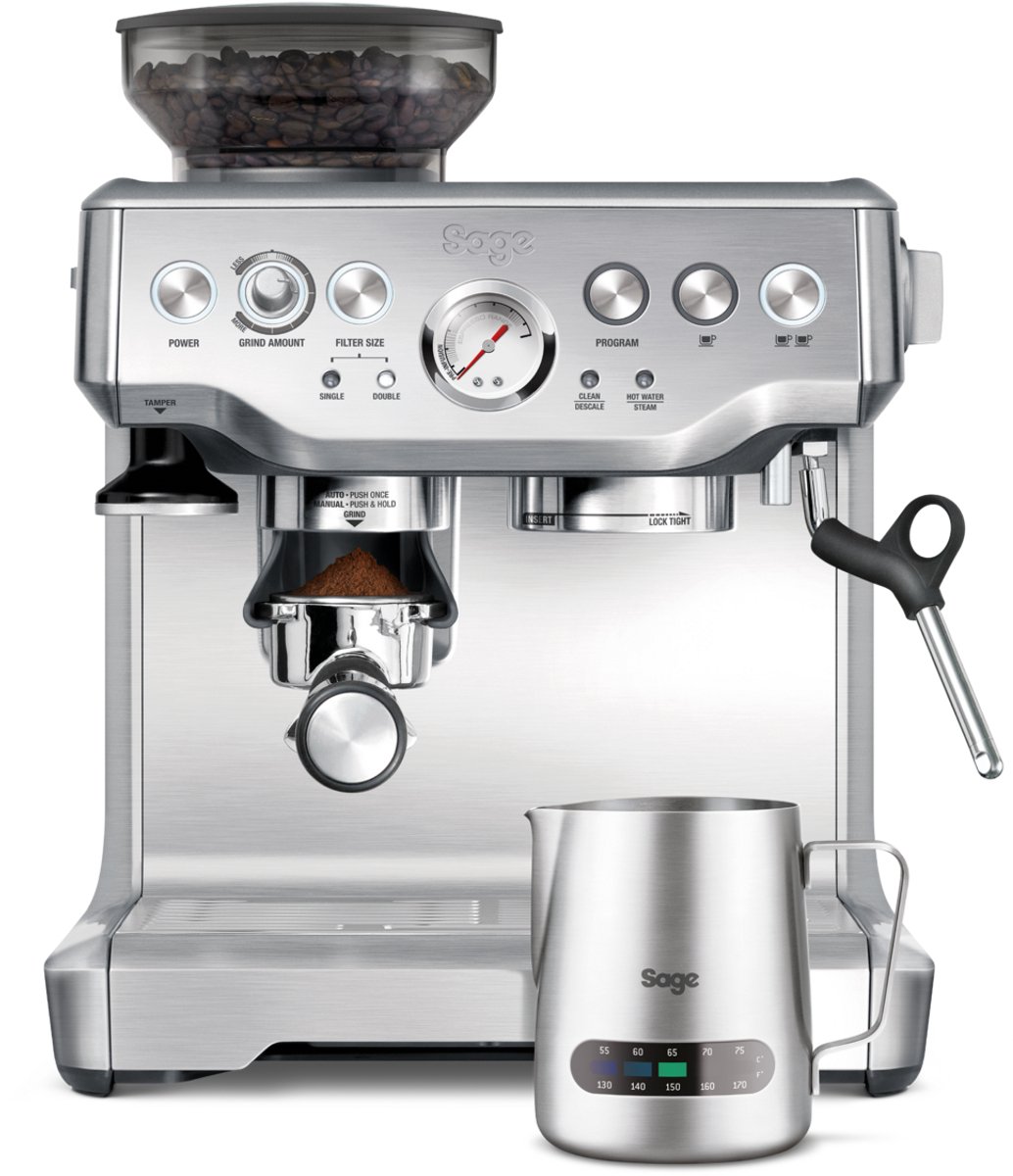
With a portafilter a large share of the budget sits in the grinder, which you buy separately and which outlives the machine by years. Parts are simpler and more often replaceable yourself — gaskets, a shower screen, sometimes a pump.
The comparison therefore lands less clearly than the price tags suggest: an entry-level bean-to-cup and an entry-level portafilter plus grinder end up closer together than the shelves imply.
The shortest route to a decision
Choose a bean-to-cup if your mornings are short, several people drink different coffee, or you mainly make milk drinks and do not want to practise. You get something that works every day, and that is a real property.
Choose a portafilter if you enjoy the process itself, are willing to buy a grinder alongside it, or already know you want to aim higher than "fine". Without a grinder it is the wrong choice at any budget.
If you are still hesitating, that is an answer in itself: the people for whom a portafilter is right rarely hesitate at this point.