Published on 20 September 2026 · 5 min read
Which coffee beans for espresso?
People who have just bought a machine usually go looking for settings first. Almost always the biggest gain is elsewhere: in the beans, and in how long they have been open. A thousand-euro machine on four-month-old supermarket beans loses to an entry-level one on fresh.
Roast matters more than origin
Origin is interesting, but for espresso the roast decides more. Darker roasts give the thick, bitter, chocolatey cup most people recognise as espresso; lighter roasts turn sharper and fruitier and ask more of your settings.
“Espresso roast” on a bag usually only means it sits at the darker end. It is not a variety and not a certification.
Fresh means something other than you think
Bags often carry a best-before date a year out. That says the beans will not spoil, not that they still taste good. What you want is a roast date, and good roasters print one.
Between a week and a month after roasting is the best window. Before that the bean is still degassing; after it, aroma fades. So buy smaller bags more often rather than one large discounted one.
- Look for a roast date, not a best-before date.
- Buy quantities you will finish within a month.
- Grind just before brewing. Ground coffee is noticeably flatter within fifteen minutes.
Arabica, robusta and that layer of crema
Almost all speciality coffee is arabica. Robusta earned a bad name back when it was cheap filler, but a small share of good robusta adds body and a thicker, more stable crema — exactly why many Italian blends use it.
If you want the classic Italian bar espresso, look for a blend with ten to twenty percent robusta. If you want fruit and acidity, stay with a hundred percent arabica.
What a bean-to-cup can handle
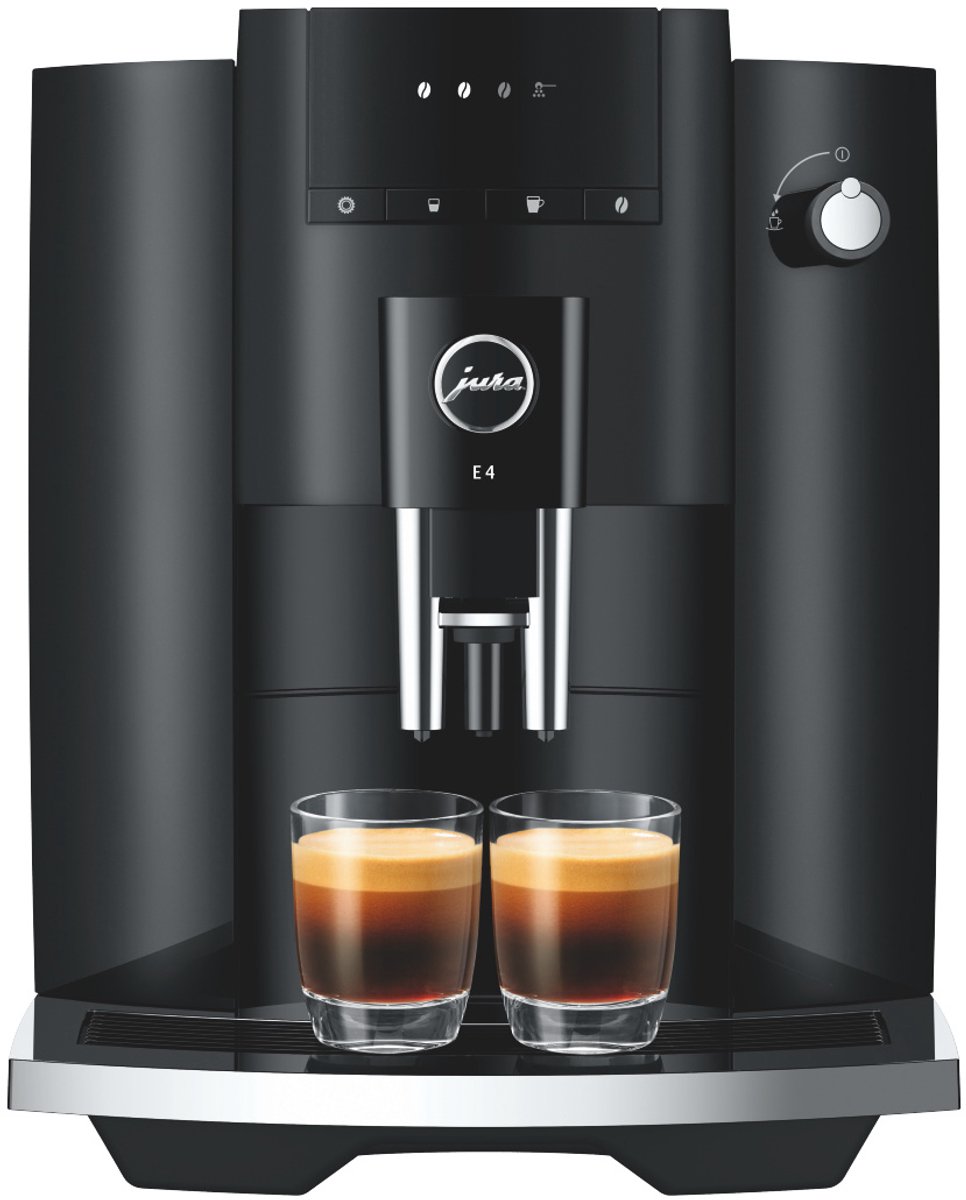
Bean-to-cups struggle with very dark, oily beans: the oil works into the grinder and the hopper and eventually turns rancid. Most manufacturers advise against them for that reason.
It matters less on a portafilter machine, where the grinder is easier to clean. If you have a bean-to-cup, pick a medium-dark roast that feels dry rather than glossy.
Storage
Air, light, heat and moisture are the four enemies, in that order. A sealed tin at room temperature in a cupboard is enough; the fridge is not, because condensation forms on cold beans the moment you open it.
The freezer does work, but only if you freeze in portions and never return a portion. For most people, buying smaller and more often is simpler.